

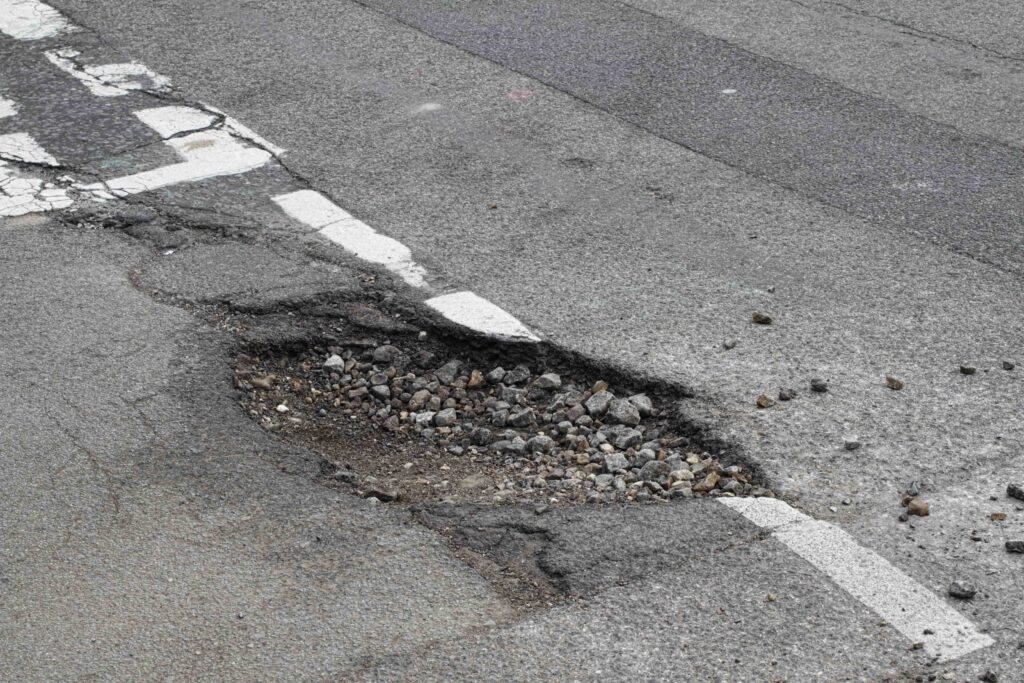
Why are pothole claims expected to increase?
And with the cost of maintaining roads increasing by 22%, ever-rising inflation, already stretched budgets, widespread funding shortfalls, and changing weather creating the perfect recipe for potholes, it is expected that local authorities could be hit with more claims in the coming years.
Prevention is better than cure
Councils have a legal responsibility to keep highways in a reasonable state of repair. If not, local authorities may be liable for any injury or damaged caused, as well as a claimant’s loss of income, repairs and future care requirements.
When can a pothole claim succeed against a council?
The chances of a member of the public being successful in securing a settlement will largely depend on whether the offending pothole had already been reported. Put simply, local authorities are unlikely be held liable for a defect they were unaware of, providing there is an adequate inspection process in place such as annual visual inspections, additional checks in adverse weather, procedures in place for the public to report surface defects.
Defending or settling claims
As soon as receipt of a potential claim has been received, the most important first step is to investigate quickly and engage with the claimant and their solicitor. It is important to inspect the offending pothole within days rather than month, to establish whether it falls within the levels of acceptable or not.
What evidence should councils gather?
Other information that should be gathered includes witness statements – both from those who were nearby during the time of the incident and from people who pass the road defect often to see how long it has been present for – and CCTV footage, if available.
Should councils settle or defend pothole claims?
After analysing all the available evidence, speak to your insurance provider, if you have one, and seek legal advice from a specialist who can talk through the risks and what your prospects of success is should a formal claim be brought or proceedings issued. A lawyer can also conduct a risk assessment and advise how much the claim is likely to cost you and whether it is more beneficial to settle at an early stage.
How can councils build a robust defence?
If you plan to deny liability, it is important to start building a robust defence – begin collating your documentation, including maintenance and inspection records, alongside the other pieces of evidence you have already gathered.
Why is a quick response important?
Whichever route you decide to go down, a quick turnaround should be priority – the longer negotiations go on for, the more money the claim is likely to cost your council.
Frequently asked questions
How much have councils paid out for pothole claims?
Over the past five years, councils in England and Wales have paid out £32 million in compensation across 5,596 pothole-related personal injury claims. This averages £5,524 per case. With maintenance costs rising by 22% and stretched budgets, local authorities can expect claim numbers to increase in coming years.
When are councils liable for pothole damage?
Councils are liable when they fail to keep highways in a reasonable state of repair. However, success depends largely on whether the pothole was previously reported. Local authorities are unlikely to be held liable for defects they were unaware of, provided adequate inspection processes such as annual visual checks and public reporting procedures are in place.
How should councils respond to a pothole claim?
Councils should investigate quickly by inspecting the pothole within days, gathering witness statements and CCTV footage, and engaging promptly with the claimant. After analysing evidence, consult your insurance provider and seek specialist legal advice to assess whether settling early or building a defence is more cost-effective.