

Heat Network Regulation in the UK: What the New Ofgem Rules mean for Developers, Investors and Operators


6th March 2026
The UK’s heat network sector has entered a new regulatory era. As of 27 January 2026, Ofgem has formally assumed its role as the regulator for heat networks across Great Britain, bringing the sector in line with gas and electricity markets for the first time.
This represents a significant development for developers, investors, landlords, and operators involved in heat network projects. This article provides an accessible overview of what has changed and what it means for stakeholders.
Understanding heat networks and why regulation matters
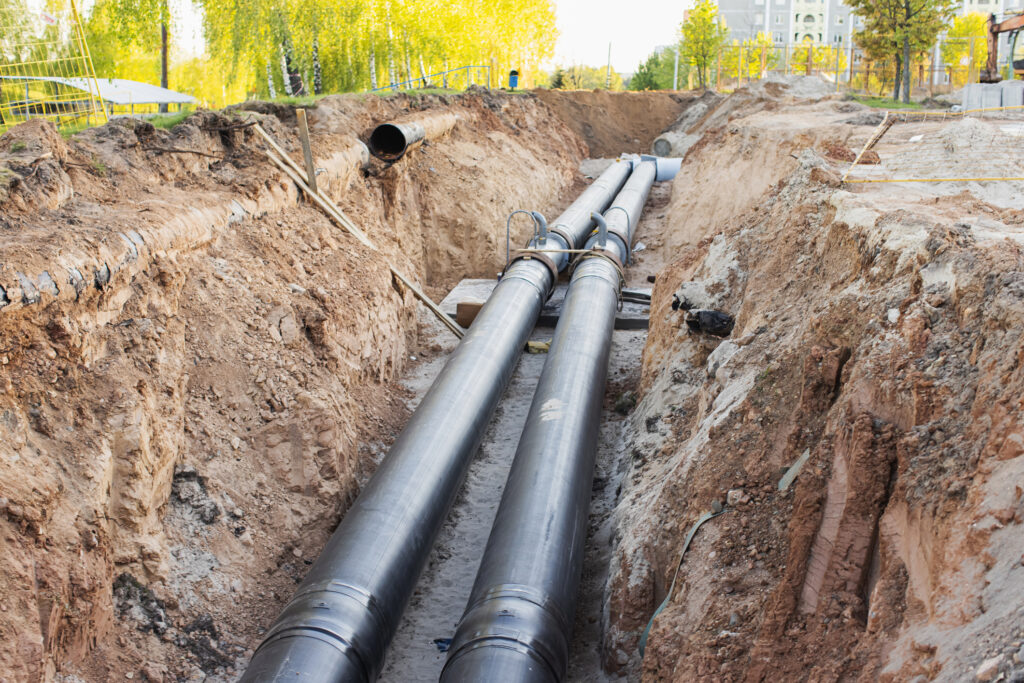
Heat networks provide heating, cooling, and hot water to multiple properties in a building from a central source. They use a system of pipes, heat interface units, heat exchangers, substations, and energy centres to distribute thermal energy.
According to the National Housing Federation, there are currently over 14,000 heat networks in the UK, serving around 500,000 households and providing approximately 3% of the nation’s heat consumption.
Heat networks are considered essential to achieving the UK’s net zero targets. In fact, the UK government has confirmed an ambitious target to meet 7% of heat demand in England via heat networks by 2035.
Why heat network regulation is changing
Unlike gas and electricity consumers, heat network customers have historically lacked meaningful statutory protection. As the sector has grown, the need for consumer safeguards has become increasingly a priority for Ofgem.
In 2017, the Competition and Markets Authority recommended that the government introduce a regulatory regime to ensure heat network consumers have protections equivalent to those in other energy markets.
The regulations focus on ensuring good outcomes for customers, including good customer service, improved reliability of supply, transparent and easy-to-understand energy bills, and fair pricing.
For developers and investors, the change brings more structure and certainty, but also a clearer set of obligations and compliance costs.
Key dates and regulatory timelines
The transition to a fully regulated market is being implemented in phases:
27 January 2026
Ofgem’s regulatory role formally began, and the initial set of authorisation conditions came into force. All existing heat networks received “deemed authorisation” to continue operating.
26 January 2027
This is the deadline for all operators and suppliers of existing heat networks to register with Ofgem, providing details about their organisation, ownership, financial resilience, and consumer protection arrangements. A digital service for registration launches in spring 2026.
After 27 January 2027
Any new entrants to the market must apply to Ofgem for authorisation before commencing regulated activities.
What operators and suppliers should do
Operators and suppliers will need to ensure they comply with authorisation conditions that cover a wide range of topics
Consumer protection and service standards
- Heat network customers now have access to the Energy Ombudsman for dispute resolution and can seek advice from Citizens Advice or Consumer Scotland.
- Suppliers must also establish a Priority Services Register to identify and support vulnerable customers.
Billing, transparency and contractual obligations
- Accurate, understandable bills based on actual consumption where possible.
- Written heat supply contracts should be in plain language, setting out all relevant terms.
- Financial resilience: Demonstrate adequate financial resources and arrangements.
- Fair pricing: Transparent pricing and cost allocation.
Enforcement powers and financial exposure under the new regime
Ofgem has been granted significant enforcement powers. Non-compliance with the regulations can result in financial penalties of up to 10% of an organisation’s turnover or £1 million (whichever is higher), plus redress payments if harm is caused to customers.
Ofgem also has powers to request documents, inspect premises, and remove materials from regulated entities.
These powers introduce a new category of regulatory risk. Due diligence on network performance, consumer data, and historic billing practices will become more important.
Technical standards: the Heat Network Technical Assurance Scheme consultation
The government has published a consultation on the Heat Network Technical Assurance Scheme (HNTAS), which will mandate minimum technical requirements for new and existing heat networks. The HNTAS consultation closes on 15 April 2026. Key points include:
New networks
From scheme launch in 2027, new networks must obtain certification through feasibility, design, construction, and operation phases.
Requirements for existing networks (built after 2014)
Must demonstrate minimum metering, monitoring, and threshold performance within three years, with full certification required within six years.
Pre-2015 networks:
Receive longer timeframes – initial compliance within three years and full certification within eight years.
Networks unable to cost-effectively meet standards may need to declare “End of Life” status and plan replacement.
Why early planning matters
These considerations highlight the importance of early planning, contractual review and a clear understanding of ongoing regulatory obligations.
Heat network zoning and what it means for future development
The government is also implementing a “zoning” policy to expand the heat network sector. Heat network zones are designated areas where heat networks are deemed the lowest-cost decarbonisation option.
Within these zones, certain new and existing buildings (and heat sources) may be required to connect. The government aims to designate at least 10 major zones in early stages, with the Warm Homes Agency acting as the national zoning authority.
Developers delivering mixeduse sites within designated zones may need to build in network connection requirements.
The Warm Homes Plan
On 21 January 2026, the Department for Energy Security and Net Zero published its Warm Homes Plan, setting out a comprehensive blueprint for heat network development. Key announcements include the extension of Green Heat Network Funding to 2029/30 at £195 million per year.
The plan establishes five pillars:
- Building public trust
- Fair pricing
- Expanding supply chain capacity
- Better access to low-carbon heat sources
- Heat network zoning.
Practical steps for operators and developers
If you operate or supply a heat network, or are involved in developments that include them, you should consider the following steps:
- Identify your heat networks: Review all sites where heat, hot water, or cooling is supplied through communal or district systems.
- Understand your regulatory status: Determine whether you are an “operator” or “supplier” under the new regulations.
- Register with Ofgem: Prepare for registration before 26 January 2027.
- Register with the Energy Ombudsman: Ensure you are enrolled with the dispute resolution body.
- Review compliance: Assess your current arrangements against the authorisation conditions, particularly consumer protection, billing, and financial resilience requirements.
- Conduct technical due diligence: Review the age and efficiency of existing plant and equipment ahead of HNTAS requirements.
- Review contracts: Check whether change-in-law provisions have been triggered and whether amendments are needed.
- Train staff: Ensure relevant personnel understand the new consumer protection obligations.
Opportunities under the new regulatory regime
While compliance will require investment and adaptation, the new regulatory environment also creates significant opportunities. Regulation is expected to build public trust and confidence, making heat networks more attractive to consumers and investors.
The government’s commitment to funding through the Green Heat Network Fund, the Heat Network Efficiency Scheme, and other programmes provides capital support for both new and existing networks.
How we can support your heat network projects
Early planning and regulatory due diligence will reduce the risk of cost escalation or delivery delays.
Our energy and infrastructure team has extensive experience advising clients on heat network projects, regulatory compliance, and the evolving policy landscape.
Whether you need support understanding your obligations, preparing for registration, reviewing contractual arrangements, or assessing technical requirements, we are here to assist.
This content is provided for general informational purposes only and does not constitute legal advice. It is not intended to address the circumstances of any individual or entity, nor should it be relied upon as a substitute for specific advice from a qualified solicitor. The information reflects the legal position as at the date specified and may be subject to change. If you require advice on a specific matter, please contact us directly.
Our latest energy content

Heat Network Regulation in the UK: What the New Ofgem Rules mean for Developers, Investors and Operators
The CMA shows it is serious about regulating Green Claims
Carbon Credits in Advertising: How Businesses Can Reduce Greenwashing Risks
See more articles >
Carbon Credits in Advertising: How Businesses Can Reduce Greenwashing Risks
Why Data Centre Infrastructure Matters for AI Development in the UK
Greenwashing Compliance: ASA Rulings From 2025 and What Businesses Must Prepare for in 2026
See more articles >

Our legal experts are here to answer any question you might have
If you’d like to speak to a member of our team, please fill out the form and we’ll be in touch within two hours.
If you know who you need to contact, you will find a full list of our people with email and telephone numbers here.
Call Us: 0330 024 0333
About the Authors

Georgia Spyrou
Solicitor

Sushma Maharaj
Partner