

Department for Education consultation: fees charged by the Office for Students

17th June 2026
What is the DfE consulting on?
The Department for Education (DfE) is consulting on the Office for Students’ fee charging model. It is offering a number of alternatives to the current fee charging structure and setting out a series of options for charges for specific activities associated with new registrations.
Background
The deadline for responses is 21 July 2026 and we would encourage all institutions registered with the OfS to respond. Some recent sector surveys of provider sentiment have seen only a minority of institutions responding which risks giving an inaccurate picture of the issues as experienced by providers. Given the strong views we hear from many across higher education about the regulatory regime, consultations such as this seem like an excellent opportunity to voice those opinions and concerns.
What are the current fee requirements?
Unlike the situation which existed before the 2017 Higher Education and Research Act, the cost of the sector regulator has to be met by registered institutions rather than government so all are charged fees by the OfS to cover its costs. According to the DfE
The fee level and structure helps to sustain the OfS and the funding must be sufficient to enable it to deliver its statutory functions. The Secretary of State is empowered to make regulations governing the fees that the OfS can charge. The precise fee amounts are determined collaboratively by the Department for Education (DfE) and the OfS.
The DfE is now seeking views on the structuring of the fees charged by the OfS. It does not include proposals for changing the balance of funding between government and fee income nor on the level of fee charged.
The proposals are split into two parts. The first part is about the structuring of the annual registration fee and the second is concerned with the introduction of specific fees for different aspects of the OfS registration process.
Part 1 Proposals
The Part 1 proposals are:
- Proposal 1- An adjustment to the current structure of the annual registration fee which reduces per FTE costs for smaller providers.
- Proposal 2- Replace the current banded weighting model with a structure that combines a flat fee for all providers and a variable component based on the number of FTE students.
Additional proposal that could be implemented with either Proposal 1 or Proposal 2:
- Proposal 3-Introduce an additional band for providers with 30,000 or more student FTE.
The questions relating to Part 1 also seek views on the extent to which respondents agree with the current discount arrangements (which apply to micro-providers and new providers) and thoughts on the positive or negative impacts the current fee discounts have and whether changes should be made.
Part 2 Proposals
The Part 2 proposals are:
- Proposal 4- The introduction of an ‘Initial Application Fee’.
- Proposal 5- Introduction of a more comprehensive fee for applications for Degree Awarding Powers (DAPs) and varying DAPs.
- Proposal 6- Introduction of a fee for applications, initiated by the provider, for change of registration category.
- Proposal 7-Introduction of a fee for applications for university title or university title name change.
Overall questions
There are additional questions relating to the overall fee model where we will be responding and again would encourage others to do so.
- To what extent do you agree that the current approach toOfSfee charging (including the annual registration fee and other fees) is transparent and fair?
The OfS funding model is transparent up to a point. While it is clear where the money comes from (principally those regulated fee payers), the destination of large payments (over £25k), expenses paid to staff and the board and that 80% of expenditure is on staff costs, the real cost of the regulatory framework is not clear. The reality is that the biggest regulatory cost by some distance falls on institutions which have to comply with the OfS’s requirements and this is not acknowledged within the funding model
Value for money is therefore very hard to establish. There is one OfS key performance measure, KPM 9, which sets out the ratio of spend on what are described as core regulatory activities versus enabling activities. According to the OfS, core regulatory activities directly deliver regulatory outcomes, while enabling activity includes corporate and organisational support roles and other spending associated with this work. It appears that the OfS is spending relatively less on corporate matters than core regulatory activity in 2025-26 than in the previous two years where data is provided, but this may just mean that regulatory expenditure is growing faster than enabling activities. There is no sense in any of this about the value of the regulatory activity undertaken, the benefit for students or the cost and burden for institutions. It would be difficult therefore to describe any of this as transparent or fair.
- Do you think the proposals in this consultation would improve thetransparency and fairness of the approach to fees charged by theOfS?
No.
- Are there any unintended consequences of the proposals that should beconsidered?
The main unintended consequence of divorcing the question of increasing the fee to be charged from any assessment of the value the regulation adds is that there is no incentive on the regulator to demonstrate the efficiency and cost-effectiveness of its activities. It is free to gold-plate regulation, without any assessment of whether it is risk-based or proportionate, to the detriment of registered providers, students and taxpayers given that many providers are funded predominantly via student loans.
- Do you have any other comments or proposals on the future design of theOfS’sfee model?
It seems to us that the fee structure requires significant reappraisal to examine the value of the regulatory model and the regulatory burden on institutions before determining an appropriate split of fees between government and institutions, and an appropriate level of fee.
- To what extent, if any, do the level ofOfSfees impact the business planning choices of HE providers?
While everyone would prefer fees to be lower and we would argue they certainly should be, the other issue affecting business planning is certainty about fee levels. We note that while OfS fees have been frozen for most of the years since its establishment, they did increase by over 18% in 2023-24, ostensibly to reflect the growth in regulatory activity by the agency. Such big leaps are unhelpful for planning purposes and the OfS must surely be able to plan its activities better than this and should commit to fee rises, where these cannot be absorbed, which are no greater than CPI.
- To what extent, if any, do you agree that theOfSas the regulator for higher education should be reasonably and proportionately funded by those they regulate?
Those regulated should make a contribution, especially where their actions/failings entail additional regulatory activity. The cost of proven regulatory failings should be met by institutions, not shared by all those regulated.
However, as it stands there is no incentive for the OfS to reduce the regulatory burden or to drive regulatory efficiency. Registered institutions are required to pick up the tab, whatever the cost. Therefore, we would argue that the larger part of the cost of regulation should be met centrally by DfE and the balance by institutions. Where increases in funding are required then these have to be justified to and met by the DfE, which should always be considering means of reducing the regulatory burden. At present, those regulated are in no position to argue against the costs of regulation because the decision-maker is also the regulator. This is unfair.
And Finally…
We strongly encourage all providers to respond via the online form, even if only to the overall questions where there is a real opportunity to air any views about the value of the service delivered by the regulator. Please do get in touch if there are questions or issues relating to these matters you would wish to explore with our education team.
This content is provided for general informational purposes only and does not constitute legal advice. It is not intended to address the circumstances of any individual or entity, nor should it be relied upon as a substitute for specific advice from a qualified solicitor. The information reflects the legal position as at the date specified and may be subject to change. If you require advice on a specific matter, please contact us directly.
Our latest education content

The Duty to Promote the Importance of Free Speech and Academic Freedom – What Higher Education Leaders Need to be Considering
Getting Better with Debtors: Approaches to Improving Credit Control in Higher Education
Changes to the Student Complaints Scheme for Higher Education – Consultation
See more articles >
The Duty to Promote the Importance of Free Speech and Academic Freedom – What Higher Education Leaders Need to be Considering
Credit Control in Higher Education: Practical Strategies for Managing Student and Commercial Debt
OfS Consultation on New Free Speech Conditions of Registration
See more articles >
The updated CMA guidance for higher education – what’s changed?
Key issues in the CMA’s updated guidance for higher education
SEND reforms: What is the plan for improving SEND and alternative provision?
See more guides >

Treating Students Fairly – What to look out for in the OfS consultation on new Condition C6
Managing free speech on campus: The University of Sussex v Office for Students
Employment Law Update for Schools: What You Need to Know
See more webinars >
Our legal experts are here to answer any question you might have
If you’d like to speak to a member of our team, please fill out the form and we’ll be in touch within two hours.
If you know who you need to contact, you will find a full list of our people with email and telephone numbers here.
Call Us: 0330 024 0333
About the Author
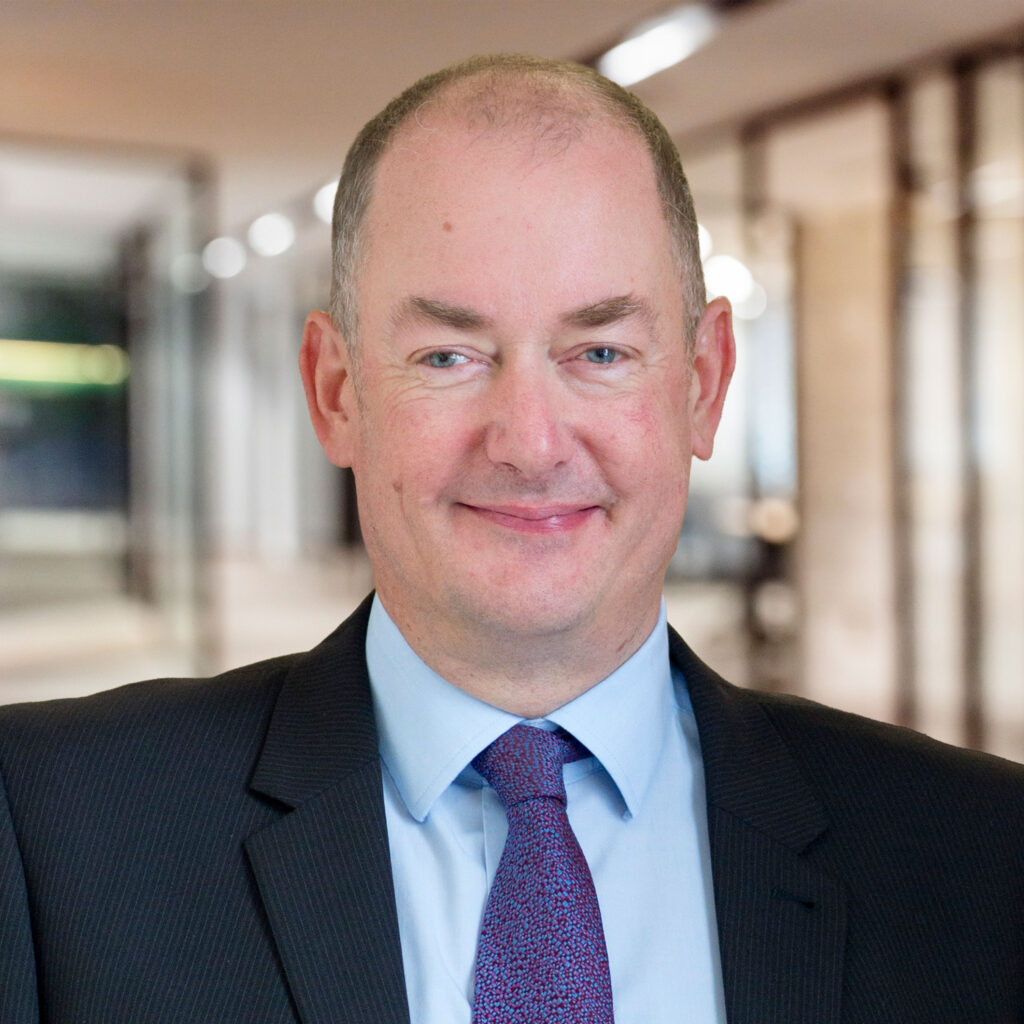
Paul Greatrix
Director of Higher Education Consultancy