

Connections Reform – Winners and Losers in G2TWQ
Key takeaways
- The G2TWQ exercise has dramatically reduced the GB connections pipeline, prioritising projects aligned with Clean Power 2030 targets and genuine readiness.
- Transmission-connected projects, particularly demand (including data centres), were the clear winners.
- Distribution-connected projects, many BESS schemes, and new onshore wind in Scotland were disproportionately deprioritised.
- Developers with Gate 2 offers still face significant delivery risks, including planning, supply chain and grid reinforcement costs.
- Developers unsuccessful in the G2TWQ process have limited but defined routes to challenge outcomes, although remedies are constrained.
On 8 December 2025, the much-anticipated notification process for G2TWQ commenced. Applicants were informed whether their projects had entered the delivery pipeline and were therefore eligible for a Gate 2 Modification Offer. Gate 2 offers provide confirmed connection dates, connection points and queue positions, in contrast to Gate 1 Agreements to Vary, which are indicative only and subject to later evidence of project readiness.
Projects entering the delivery pipeline will be offered Gate 2 connection agreements in two tranches.
- Phase 1, supporting delivery of electricity generation by 2030
- Phase 2, supporting delivery by 2035
NESO has reported that the pipeline of generation and storage projects across Great Britain has been reduced from over 700GW pre-reform to 283GW, reflecting the objectives of the Clean Power 2030 Action Plan. This prioritises renewable energy projects that are genuinely ready and strategically aligned with a low-carbon grid by 2030. In addition, 99GW of ready transmission-connected demand has been prioritised. Notably, 217GW of projects that were technically ready did not receive Gate 2 offers on the basis that they were not strategically aligned.
Who were the winners?
Most projects accelerated into Phase 1 were transmission-connected schemes, rather than distribution-connected projects. This suggests that transmission owners and DNOs are unable to deliver the required capacity for distribution projects within the necessary timeframes.
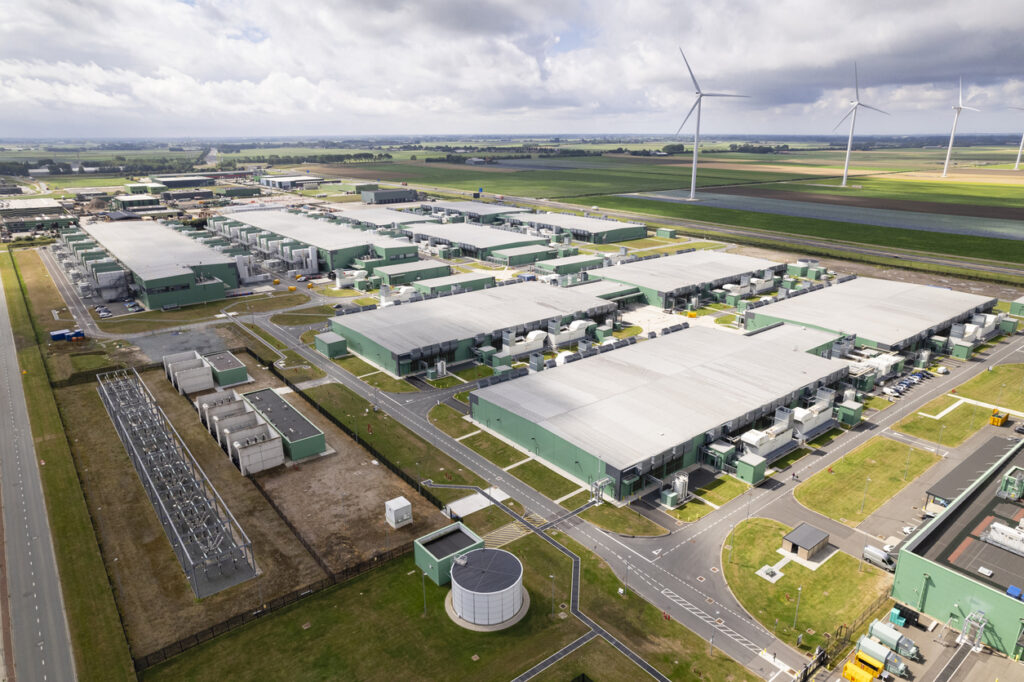
There has also been a marked expansion in transmission-connected demand, driven primarily by hyperscale data centre development and industrial electrification. More than 100GW of large-scale demand projects, predominantly data centres, remain in the pipeline.
Despite initial expectations, a significant number of Battery Energy Storage System (BESS) projects were protected, with more than 83GW remaining in the pipeline.
Who lost out?
Notwithstanding the protection of some BESS projects, over 150GW of BESS capacity was deprioritised or removed from the connections queue, indicating an oversupply of BESS projects across both Phase 1 and Phase 2. Scotland, in particular, is now constrained for new BESS development.
Scotland was also effectively closed to new onshore wind development, whereas onshore wind remains undersupplied in England and Wales. This disparity is largely attributable to historic planning restrictions in England, which were eased in July 2024 following Labour Government reforms to the National Planning Policy Framework.
For solar PV, most transmission zones are oversupplied against 2035 targets. However, limited Phase 2 capacity (approximately 400MW) remains available in Northern England, South Wales and the South West of England.
Technologies at capacity – and those without targets
Offshore wind, nuclear, unabated gas, long-duration storage and interconnectors were all deemed full or oversubscribed to 2035, with capacity targets met for both 2030 and 2035.
By contrast, certain technologies, including transmission-connected demand, wave and tidal, geothermal, reactive compensation, run-of-river hydro, non-GB generation and energy from waste, do not currently benefit from defined targets.
What does this mean for developers?
On the one hand, the G2TWQ process has introduced greater certainty and investability for clean energy projects in the UK. On the other, it is widely viewed as favouring larger developers with deeper balance sheets.
Even developers securing Gate 2 offers in Phase 1 face ongoing challenges, including planning bottlenecks, supply chain delays and capital constraints, particularly in relation to grid reinforcement costs.
Challenging G2TWQ outcomes
Developers dissatisfied with their G2TWQ outcomes may raise disputes in the first instance with NESO via the connections portal, or through informal engagement or complaints processes with the relevant DNO.
If unresolved, disputes may be escalated under the CUSC “Other Disputes” framework, a two-stage process involving initial discussions followed by arbitration at the London Court of International Arbitration. Arbitration is not mandatory; alternatively, disputes may be referred to Ofgem under clause E13.5 of the Electricity System Operator licence conditions.
Ofgem’s detailed guidance confirms that it will consider only exceptional cases, such as regulatory breaches or uncorrected errors. Remedies are limited given the one-off nature of the G2TWQ exercise. Ofgem is unlikely to direct re-insertion into the connection queue, and financial compensation is expressly excluded.
How we can help
Our energy team advises developers, investors and funders across the full lifecycle of grid connections and disputes. If you would like to discuss the implications of G2TWQ or prepare for the next Gate 2 application window (expected around April 2026), please get in touch.
This content is provided for general informational purposes only and does not constitute legal advice. It is not intended to address the circumstances of any individual or entity, nor should it be relied upon as a substitute for specific advice from a qualified solicitor. The information reflects the legal position as at the date specified and may be subject to change. If you require advice on a specific matter, please contact us directly.